Growing Impact: Sprott MBA Alumna Alexis Ashworth Turned Passion into Purpose
On October 15, Carleton University’s Sprott School of Business recognized three alumni for their professional achievements with Sprott Alumni Awards. Alexis Ashworth (MBA/13) was named the recipient of the 2026 Sprott Alumni Award in Positive Impact, awarded to a Carleton University business graduate who has made a positive impact in local, regional or global communities through their professional, voluntary or philanthropic endeavours.
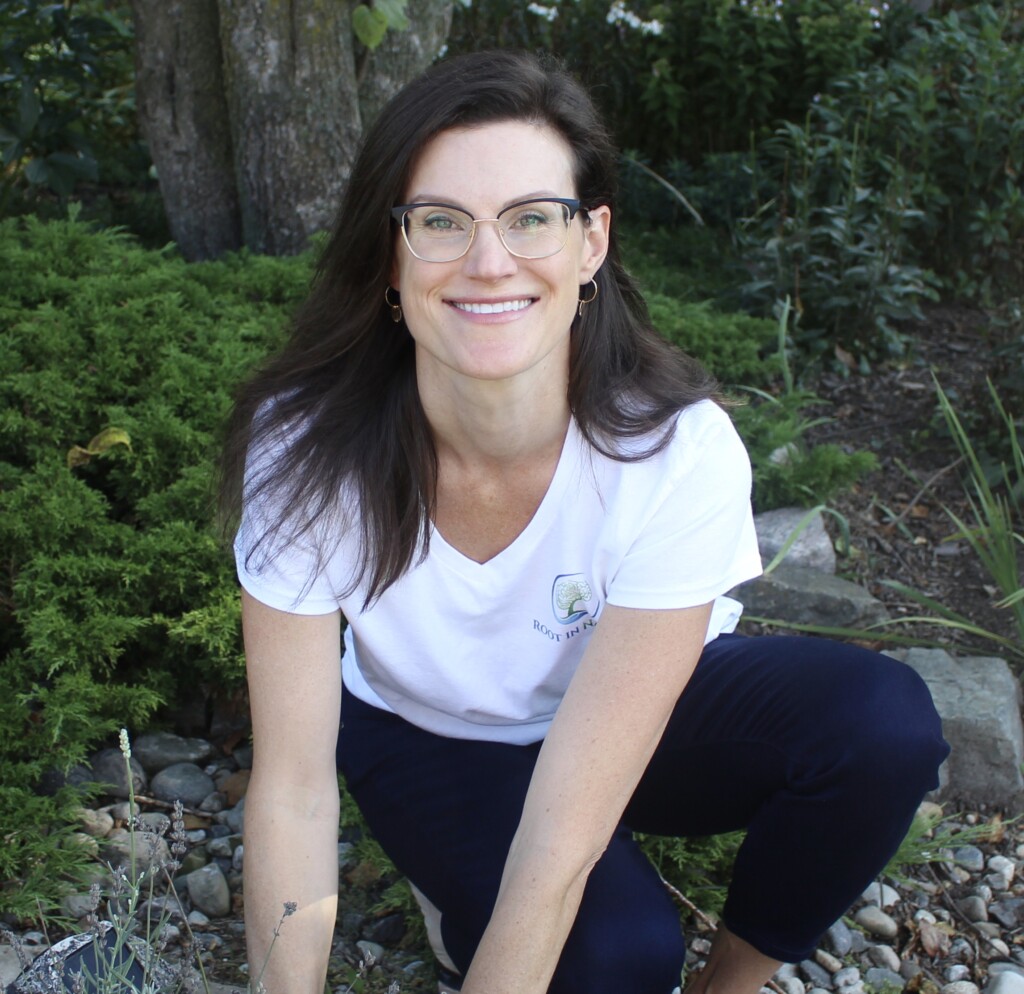
A graduate of Sprott’s MBA program, Ashworth is founder and CEO of GrowTH Therapeutic Horticulture Learning Network, a social enterprise that expands access to therapeutic horticulture education for people working in care, health and community settings. She founded GrowTH in 2021 after rediscovering her passion for gardening and reaffirming the powerful connection between nature and wellbeing.
Over the past five years, the organization has grown into an international learning network offering evidence-informed education, including a therapeutic horticulture certificate program, professional resources and a community of practitioners. Since its launch, GrowTH’s learning programs have supported more than 600 students in 33 countries, and the GrowTH network has grown to more than 275 professionals.
Ashworth recently sat down with Sprott for an interview where she shares her journey to finding her purpose and building a career in positive impact following her MBA.
What is therapeutic horticulture?
Therapeutic horticulture is the intentional use of plants, gardening and nature-based activities to support health, well-being and quality of life.
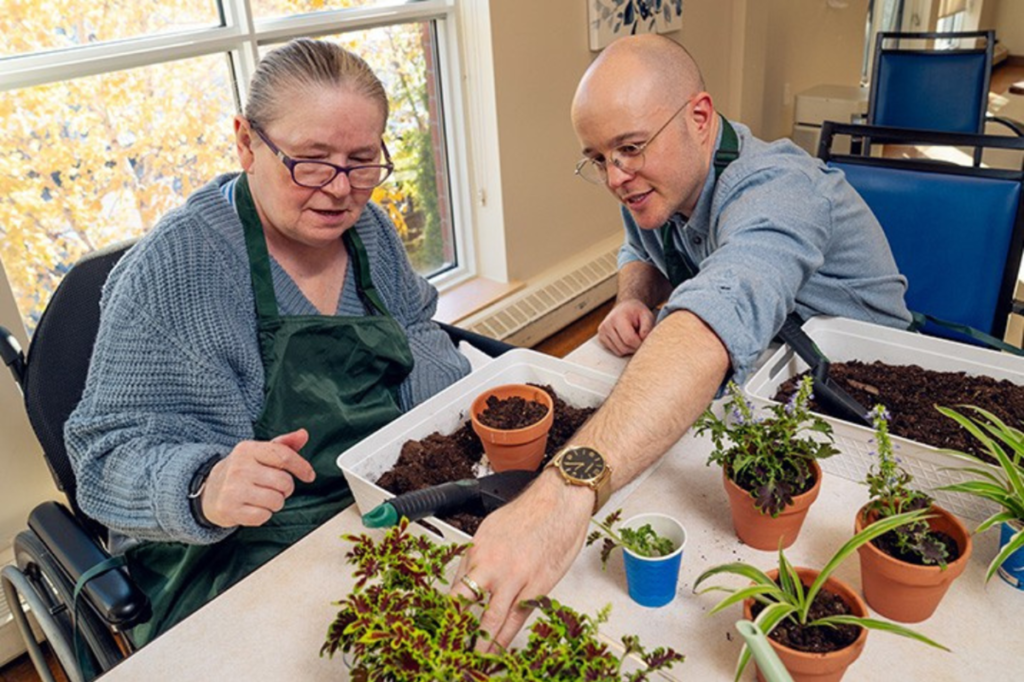
It’s a versatile approach that can be adapted for people of different ages, abilities and needs. You might find therapeutic horticulture being used in long-term care to support cognitive and social engagement, in mental health settings to reduce stress and build confidence, or in rehabilitation programs to support physical and functional goals.
Therapeutic horticulture combines something that many people already enjoy—connecting with plants and nature—with an evidence-informed approach to supporting health and well-being.
What sparked your interest in this space?
In 2009, I was travelling in the UK and volunteering through WWOOF (World Wide Opportunities on Organic Farms). I spent time at a farm connected with Derwen College, a specialist college for young adults with learning disabilities and additional needs.
It was there that I first saw how gardening and horticulture could be used to support learning, independence, confidence and social connection. That experience stayed with me!
I went on to spend much of my career in the nonprofit sector, including 11 years as CEO of Habitat for Humanity organizations in Ottawa and Halifax. My personal passion remained plants and gardening through. Years later, that early experience became the starting point for a completely new chapter in my career.
What led you to founding GrowTH Therapeutic Horticulture Learning Network (formerly Root in Nature)?
I founded Root in Nature in 2021, bringing together my interest in plants and gardening with my background in organizational leadership and business development.
As I learned more about the field, I saw a significant opportunity. There was growing interest in engaging with plants and nature to support health and well-being, but accessible, high-quality professional education and resources weren’t always easy to find.
Many recreation therapists, healthcare professionals, educators and community practitioners wanted to incorporate therapeutic horticulture into their work but didn’t necessarily have the training, confidence or support to get started. I wanted to help close that gap.
What began as Root in Nature has grown into an international learning network offering online courses, a therapeutic horticulture certificate program, professional resources and a community of practitioners.
In September 2026, we celebrated our fifth anniversary by introducing our new name: GrowTH Therapeutic Horticulture Learning Network. The new identity better reflects what we’ve become and where we’re going.
One of the most rewarding aspects has been seeing professionals from different disciplines and countries discover how therapeutic horticulture can complement the work they’re already doing.
Are there any lessons from your MBA that you draw upon in your work today?
Absolutely. While I gained valuable business knowledge through my MBA, I think the greatest benefit was developing the work ethic and ability to manage multiple competing priorities and tight deadlines without becoming overwhelmed.
The intensity of the program taught me how to prioritize, stay organized and keep moving forward even when there was a lot on my plate. Those skills served me incredibly well when, shortly after graduating, I was hired as CEO of Habitat for Humanity Greater Ottawa.
I was suddenly responsible for leading an organization, managing a team and balancing operational demands with longer-term strategic goals. The ability to juggle competing priorities, make decisions under pressure and maintain perspective was invaluable.
Those lessons have stayed with me throughout my career and are just as relevant today as I navigate the demands of entrepreneurship and growing GrowTH.
What’s next for GrowTH Therapeutic Horticulture Learning Network, or for you?
We’re at an exciting stage of development. After five years of building our educational offerings and professional community, we’re focused on making therapeutic horticulture learning more accessible, connected and relevant to the professionals who can put it into practice.
That includes continuing to expand our online courses and certificate program, growing our international practitioner network and developing more resources that help professionals bring therapeutic horticulture into healthcare, recreation, education and community settings.
We’re also exploring ways to support organizations that want to introduce therapeutic horticulture across entire teams or multiple locations. There’s considerable potential to move beyond individual professional development and help organizations build sustainable programs.
Personally, I’m particularly interested in how we can contribute to the broader development and recognition of therapeutic horticulture as a field. There’s excellent work happening around the world, and I’d love to see greater collaboration, shared learning and recognition of the professionals doing this work.
What’s one piece of advice you would offer business students today?
Don’t feel that you need to have your entire career figured out when you graduate.
My own path has taken me through the investment business, banking, nonprofit leadership, housing and entrepreneurship in a field I first encountered while volunteering on a farm in the UK. I certainly couldn’t have predicted it!
I’d encourage students to be curious, seek out experiences outside their immediate area of study and pay attention to areas of personal passion. If you can merge your career with your passion, your life will be fulfilling! Don’t rule something out as a ‘hobby’ immediately, as I did with gardening for may years.
I’d also encourage them to develop strong business fundamentals, regardless of whether they see themselves working in the private, public or nonprofit sector. Understanding finance, strategy, leadership and organizational sustainability gives you the flexibility to pursue opportunities in many different directions.
And perhaps most importantly, don’t be afraid to change direction. The skills and experience you build along the way are rarely wasted.
Final Thoughts
I’m grateful for the recognition from Sprott and support of my business throughout the years through feature articles and social media. It is greatly appreciated!
One thing I’ve learned is that business and social purpose aren’t mutually exclusive. You can have strong business and financial goals, alongside goals to improve social causes and make a positive difference in the world.