Q&A with PhD Candidate James Waller
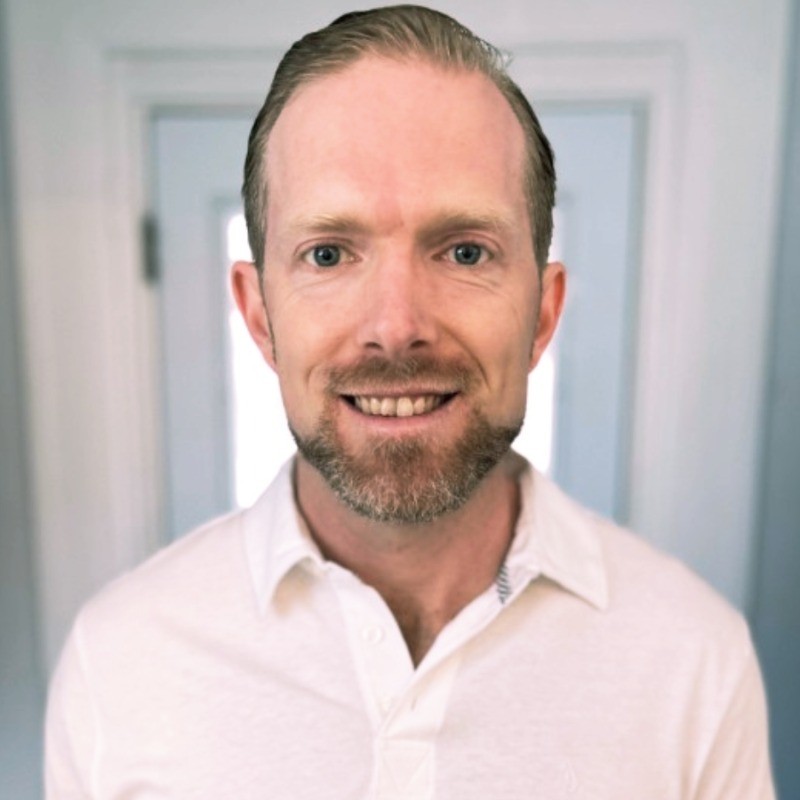
After more than ten years of teaching at Algonquin College and experience in restaurant management, James Waller returned to graduate studies to pursue a PhD in Organizational Behaviour and Management. His research explores person-environment fit in the hospitality sector, examining why some workers thrive while others feel misaligned or choose to leave. We spoke with James about his journey to doctoral studies and his goals for his research and teaching.
What motivated you to pursue a PhD, and why did you choose the Sprott School of Business?
After teaching at the college level, I still felt a strong thirst for knowledge and personal growth. I wanted to challenge myself, deepen my understanding of research, and build on what I was already doing in the classroom. Choosing Sprott came down to a few key factors. The part-time option was important because I was working full-time and wanted to ease into the program. I also knew I wanted to study in Ottawa, but what really made the difference was the faculty. I was drawn to working with Professor Linda Duxbury, who is now my supervisor.
How has your experience in the program evolved since you started?
I began in Fall 2022, and being part-time, I was not on campus every day, so I did not have the same level of immersion. As I progressed in the program, I decided to take a sabbatical from work to focus on my studies and complete my coursework. Being on campus daily allowed me to experience what it is like to be in a full-time doctoral environment. Over time, I started to understand what it means to approach problems with a research mindset, a perspective I have carried into my teaching. I now think more intentionally about how to help students learn to conduct research, ask meaningful questions, and analyze data.
What have been some of the most valuable learning experiences during your PhD so far?
One of the most valuable experiences was the Qualitative Methods course. We conducted interviews, led focus groups, and worked through the entire data analysis process. That hands-on experience, combined with theory, was incredibly helpful because I am now applying those same methods in my dissertation. Conducting interviews for my multi-time-point study has given me a much clearer understanding of how to design research that yields meaningful insights. This learning has been supported by my supervisor, who has guided me through each stage of the research process and encouraged me to think more critically.
What real-world problems or gaps is your research aiming to address?
My research explores person-environment fit in the hospitality industry. Before teaching, I spent years working as a restaurant manager, and I continue to teach courses focused on hospitality. I have directly observed the high staff turnover, persistent vacancies, and the number of people leaving the industry because something does not feel quite right for them. Through interviews with former students who have worked in the industry, I aim to identify which aspects of the environment promote a strong sense of fit and which factors contribute to misfit.
How has this experience shaped your goals for the future?
I knew I wanted to keep teaching, and this remains a significant part of my future. What has become clearer is the way to reach my goals. I now have a much better understanding of the milestones I need to hit, like building my publication record and gaining more research experience. The PhD journey has provided me with a clearer roadmap and a stronger confidence in how to move forward.