A Community-Led Vision for Language Revitalization
Carleton University Partners with the First Nation of Na-Cho Nyäk Dun
Language is one of the most powerful influences in human life, shaping how we understand the world, express identity, build relationships, and pass knowledge from one generation to the next. Every language offers a unique way of seeing, thinking and creating meaning. A thriving language strengthens the cultural fabric of its community. When it is at risk, the loss affects everyone. Losing a language means losing stories, perspectives, and a way of understanding the world that cannot be replicated.
For Indigenous Nations across Canada, this truth carries profound weight. Centuries of displacement and cultural disruption have endangered many Indigenous languages, breaking connections between generations and decreasing traditional knowledge. For the First Nation of Na-Cho Nyäk Dun (FNNND) in Mayo, Yukon, the Northern Tutchone language is crucial. It serves as a living record of knowledge, oral history, and worldview, rooted in thousands of years of culture. With less than a dozen fluent speakers left in the community, preserving Northern Tutchone links youth and future generations to the voices that define their identity and heritage.
To support this effort, Carleton University has entered into a major multi-year partnership with FNNND and the Office of the Commissioner of Indigenous Languages (OCIL). Supported by Sprott School of Business professor Troy Anderson and School of Information Technology professor Ali Arya, the initiative aims to protect, preserve, and grow the Northern Tutchone language. This partnership is built on a model of community-led innovation backed by university experts, national institutions, and emerging digital tools, all guided by Indigenous governance and priorities.
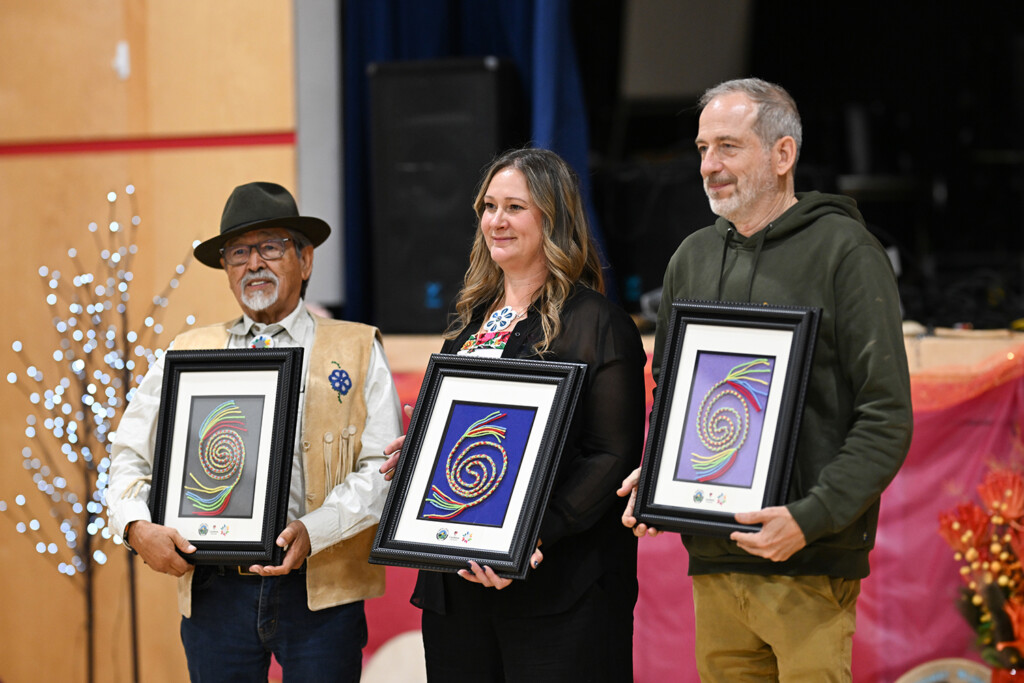
Kwän Dék’án’ Do (Northern Tutchone for ‘To Keep The Fire Burning’) started with a clear directive that the community must lead the work, and the work must be responsive to cultural knowledge holders, driven by the goal of language revitalization. Each stage of technology development is built in collaboration with Elders, educators, and language stewards who decide what success looks like.
“Our Northern Tutchone language has not died, but with less than a dozen language holders left with us, the embers of our language require tending. And like our Elders instructed, we are working to reignite our language through many sources. We are looking around our environment and are finding support in not just our stories, our cultural items, our people’s determination, but in technology too,” says Teresa Samson, Manager of Heritage and Culture for FNNND.
From this foundation, the partnership has incorporated new technologies to support learning, connection, and access. At the centre of this project is immersive media, including holographic capture, virtual presence tools, and interactive digital environments. Ali Arya oversees the development of these learning environments and how they can extend, rather than replace, in-person learning. His work ensures the tools are intuitive, culturally responsive, and accessible for youth and families.
This fusion of culture and learning is key to the project’s lasting impact.
“Importantly, the entire system will be open-source and freely available for other Indigenous communities to adapt to their own linguistic and cultural needs. Blending ancestral knowledge with cutting-edge technology, the goal of Kwän Dék’án’ Do is to spark a scalable movement for Indigenous language and cultural revitalization across Canada (and beyond),” notes Troy Anderson.
His vision aligns with Sprott’s dedication to research with practical applications that empower communities and uphold cultural continuity.
This partnership is reinforced by OCIL’s mandate to protect and promote Indigenous languages across Canada. OCIL guides cultural protocols, supports long-term planning, and ensures the project’s outcomes can inspire and inform revitalization efforts in other regions. Within Sprott, this project exemplifies research that extends beyond traditional academic boundaries. It demonstrates how business professors can support culturally grounded decision-making and project oversight. For Troy and the Sprott research community, Kwän Dék’án’ Do showed the role business schools can play in advancing social impact through partnerships that matter to communities.
The use of holographic and immersive media has attracted national attention, partly because of its potential to transform how languages are taught and preserved. In communities where fluent speakers are few and dispersed, the ability to archive Elder’s teachings in high-fidelity format offers new opportunities for long-term access. The technology captures a depth of expression, movement, and presence that is often lost in traditional audio or written archives, providing a more authentic experience for learners.
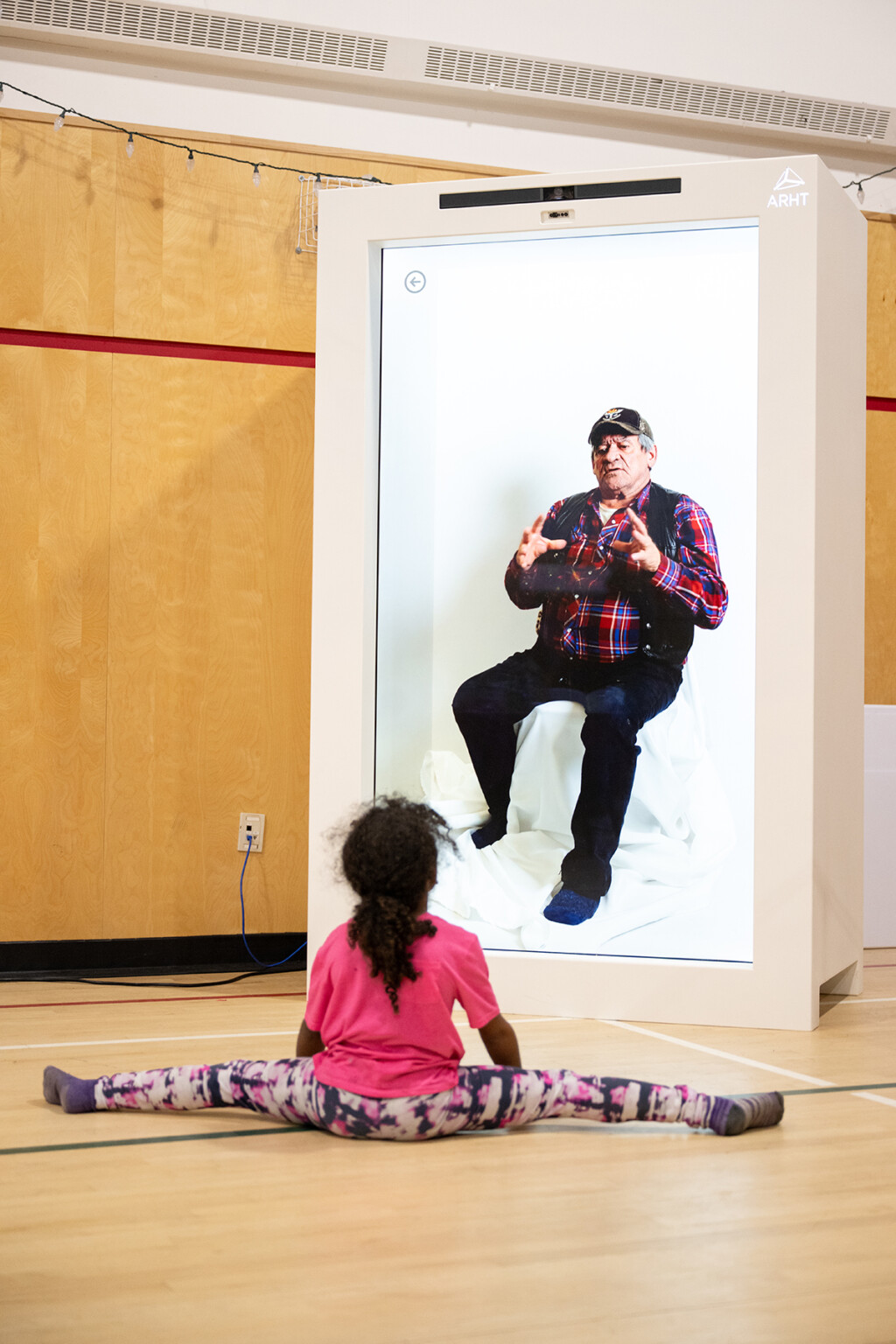
Kwän Dék’án’ Do ultimately demonstrates that language revitalization is much more than preservation, but fostering connection between generations, the community, and the future. It is about making sure that the next generation can access the richness of identity and belonging that language embodies and carry it into their futures.
For Sprott, the collaboration exemplifies the impact of meaningful, community-engaged research. It highlights the importance of listening first and supporting the visions that communities define for themselves. Most importantly, it reflects a commitment to a future where Indigenous languages continue to influence Canada’s cultural landscape for years to come.